
Real Life Gangster Stories From Japan
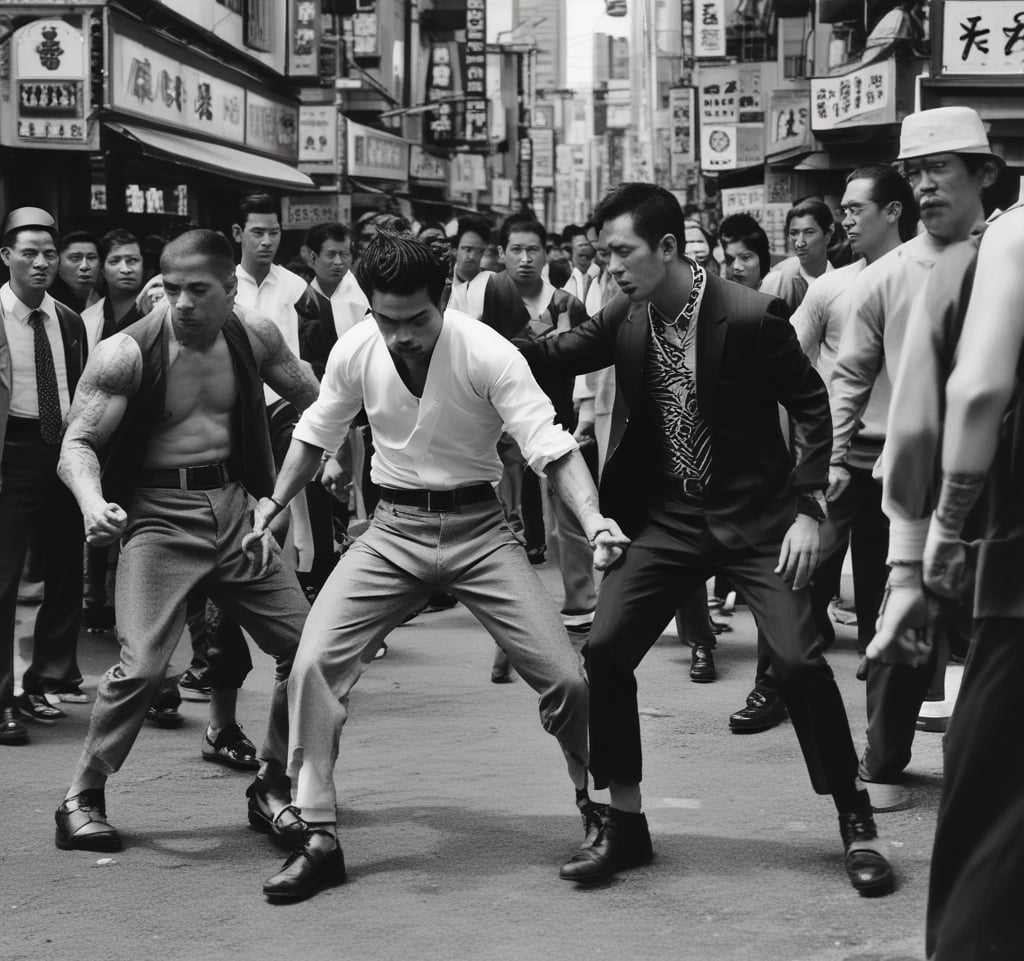
When Westerners think of Japanese gangsters, the image is immediate and iconic: the Yakuza. Full-body tattoos (irezumi), severed pinky fingers (yubitsume), and a rigid code of honour. Films like Kill Bill and games like the Yakuza series have painted a picture of a mythical, almost samurai-like criminal.
But reality is always more complex and far more interesting. The world of Japanese crime is not a monolith. It's a layered ecosystem of tradition, rebellion, and ruthless opportunism. The most fascinating stories aren't always found within the top ranks of the Yamaguchi-gumi; they're found in the shadows, in the spaces between the cracks.
Here are the real-life gangster stories from Japan that reveal the true nature of the underworld.
1. The Corporate Raider: How the Yakuza Infiltrated the Stock Market
In the late 1980s, during Japan's "Bubble Economy," the Yakuza underwent significant evolution. They became sokaiya, or corporate racketeers. Instead of shaking down small businesses, they started buying up shares in major corporations like Mitsubishi and Sony. Their method was simple but brilliant: they would buy just enough stock to gain entry to a company's annual shareholders' meeting.
Once inside, they wouldn't use violence. They would threaten to publicly embarrass the company's executives by revealing personal scandals—such as infidelities, hidden debts, and family secrets—to the press and other shareholders. To avoid this humiliation, the corporations would pay them millions in "hush money." This was a new breed of gangster, one who traded his sword for a briefcase and understood that public shame was a more powerful weapon than a gun. This chapter of Japanese crime history illustrates how the underworld adapted, evolving into a white-collar threat that nearly brought the Japanese economy to its knees.
2. The Godfathers of Kabukicho: The Taiwanese and Korean Syndicates
While the Yakuza dominated the headlines, the chaotic, neon-drenched streets of Tokyo's Kabukicho district were a battleground for other, often more brutal, foreign syndicates. In the post-war era, Taiwanese and Korean gangs carved out their own territories. Unlike the Yakuza's rigid hierarchy, these groups were fluid, fast, and famously violent.
One legendary figure was a Taiwanese gang leader known for his control over the district's gambling parlours and smuggling rings. His story is one of a perpetual outsider, a man who could never truly join the Japanese system and so created his own. These gangs were not bound by the same codes as the Yakuza, making them unpredictable and feared. Their story is a vital, often overlooked, piece of the Tokyo underworld puzzle, proving that even in the Yakuza's homeland, power was always up for grabs.
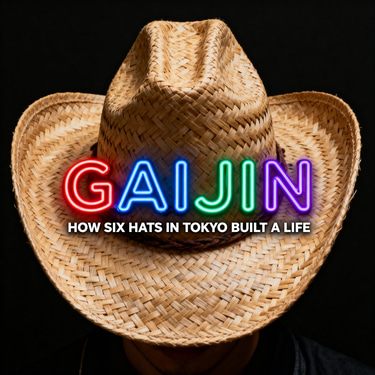
3. The Invisible Empire: The "Gaijin" Who Played by His Own Rules
The most unique story, however, is the one that breaks all the rules. It's not about a Japanese national or even another Asian gang member. It's the tale of a complete outsider—a Western gaijin—who, in the 90s, built a personal empire in the heart of Roppongi, Tokyo's international nightlife hub.
This individual didn't have a gang, a code, or a history. He had something else: an understanding of the system's blind spots. He recognized that as a foreigner, he was invisible to the traditional structures of power. The police had no framework for him, and the Yakuza underestimated him. He didn't deal in drugs or violence, but in services, information, and logistics, creating a network that catered to the district's wealthy expatriates and tourists.
He became a master of cultural arbitrage, turning his "outsider" status into his greatest weapon. This is a true story that explores a third way of power in the Japanese underworld: not through force or tradition, but through intelligence, adaptability, and the strategic advantage of being underestimated. It's a narrative that proves the most successful players are sometimes the ones who invent their own game.
And that story is only just beginning to be told.